
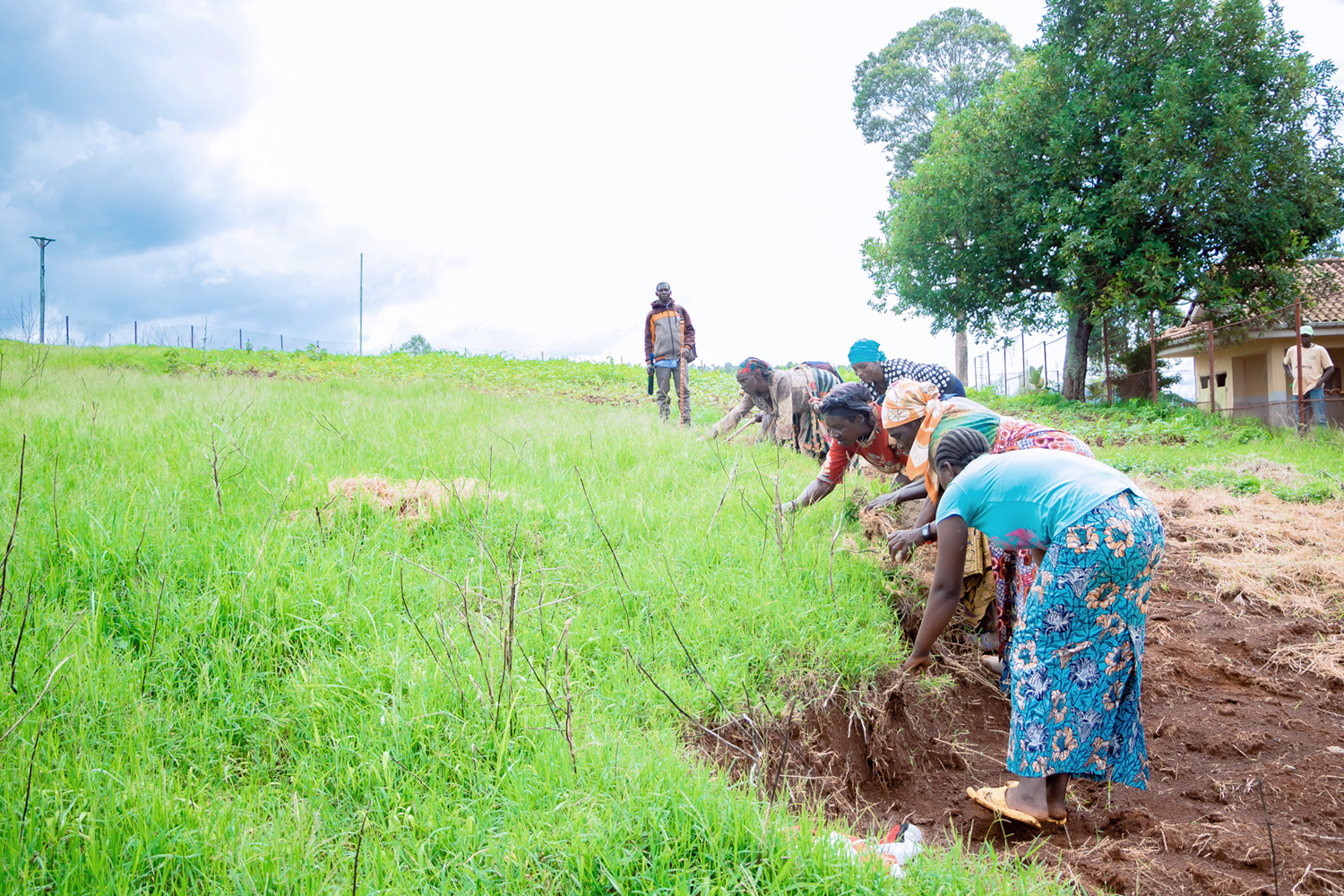
Agriculture is the backbone of South Kivu’s economy, with a significant portion of the population engaged in farming. However, women farmers often face numerous challenges, including limited access to land, inputs, and markets. Our agricultural support programs aim to address these issues, empowering women to improve their productivity and livelihoods.
The Context: Challenges in Women’s Farming
Women in South Kivu typically work small plots using traditional methods and basic tools. They often lack access to quality seeds, fertilizers, and training in modern farming techniques. Additionally, many farm land they do not own, making it difficult to invest in long-term improvements.
These challenges contribute to low agricultural productivity and food insecurity. In 2022, over 62% of the population in South Kivu lived in poverty, and almost 1.5 million people faced severe acute food insecurity.
Agricultural Support Programs
Sustainable Farming Practices: Our programs focus on introducing sustainable farming techniques that increase yields, conserve soil, and adapt to changing climates. Key components include:
- Improved Seeds and Organic Fertilizers: Providing access to high-quality seeds and promoting the use of organic fertilizers to enhance soil fertility and crop yields.
- Training in Crop Diversification and Pest Control: Educating farmers on diversifying crops to reduce risk and implementing integrated pest management strategies.
- Post-Harvest Storage Strategies: Introducing methods to reduce post-harvest losses, such as improved storage facilities and techniques.
- Market Linkages: Facilitating connections between farmers and local markets, cooperatives, and value chains to improve income opportunities.
These interventions not only enhance food security but also provide women with the means to generate income and invest in their families’ well-being.
Land Rights and Advocacy
Securing land rights for women is crucial for sustainable agricultural development. Our programs advocate for land access and tenure security, supporting women as rightful stewards of the land they cultivate. This empowerment enables women to make long-term investments in their farms and the communities they support.
Impact: Empowering Women Farmers
Empowered women farmers contribute to community resilience and economic growth. By increasing their agricultural productivity and income, women can afford better nutrition, education, and healthcare for their families. They also serve as role models, inspiring others to adopt more effective farming practices.
For example, the Beans for Women Empowerment (B4WE) project in eastern DRC has empowered local women farmers by enhancing bean value chains, increasing incomes, and promoting leadership roles.
Challenges and the Way Forward
Despite progress, challenges such as climate change, conflict, and limited infrastructure continue to affect agriculture in South Kivu. Addressing these issues requires ongoing support, investment in rural development, and policies that prioritize women’s empowerment in agriculture.
By continuing to support women farmers, we can foster sustainable agriculture, improve food security, and promote economic development in the region.